Author: Scott Boehmer

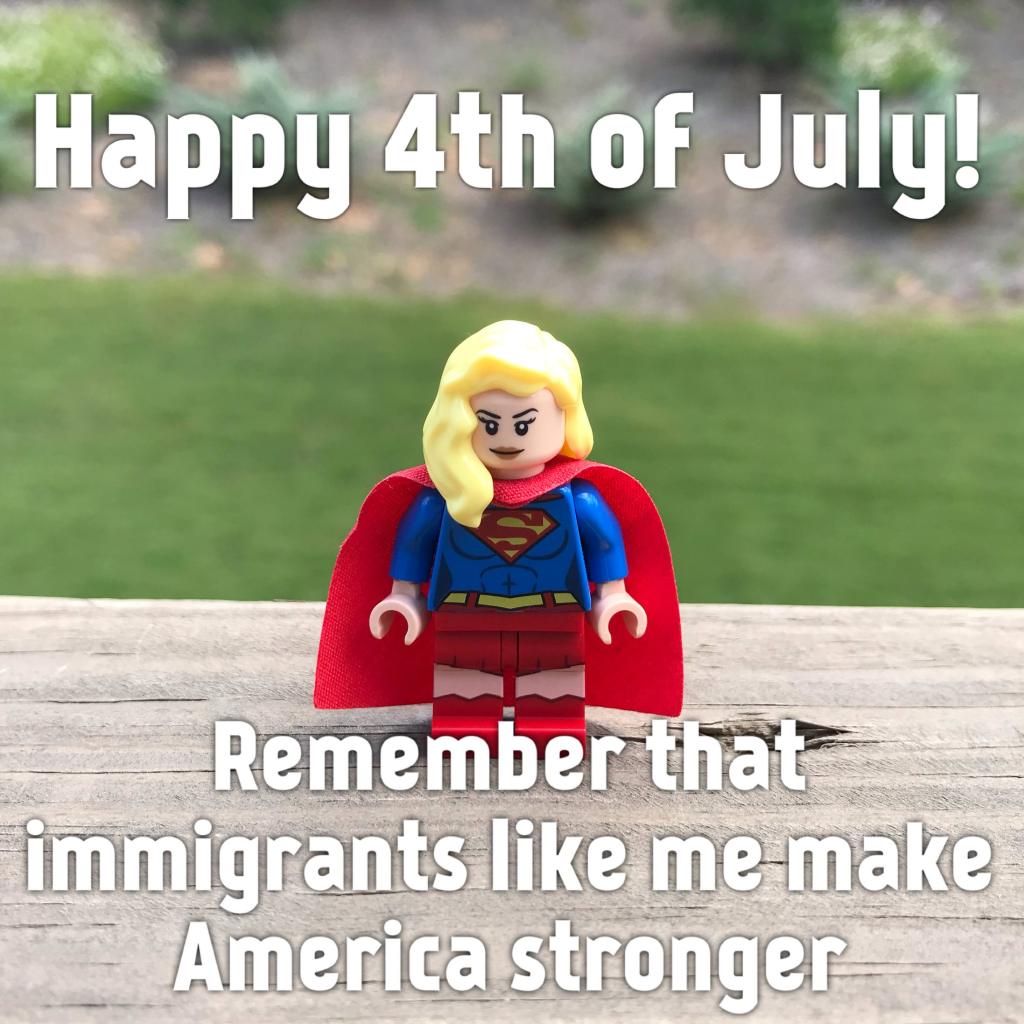
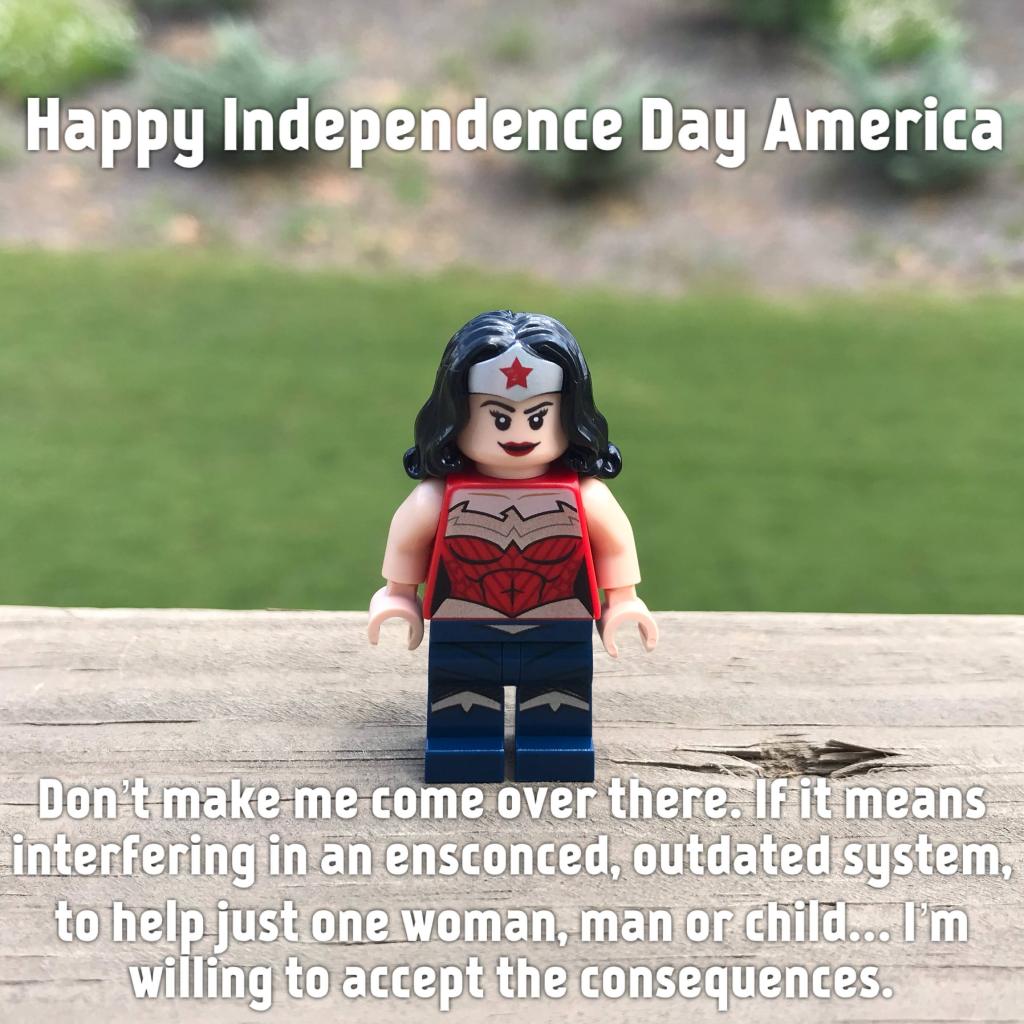
  • Happy Fourth! (2020)

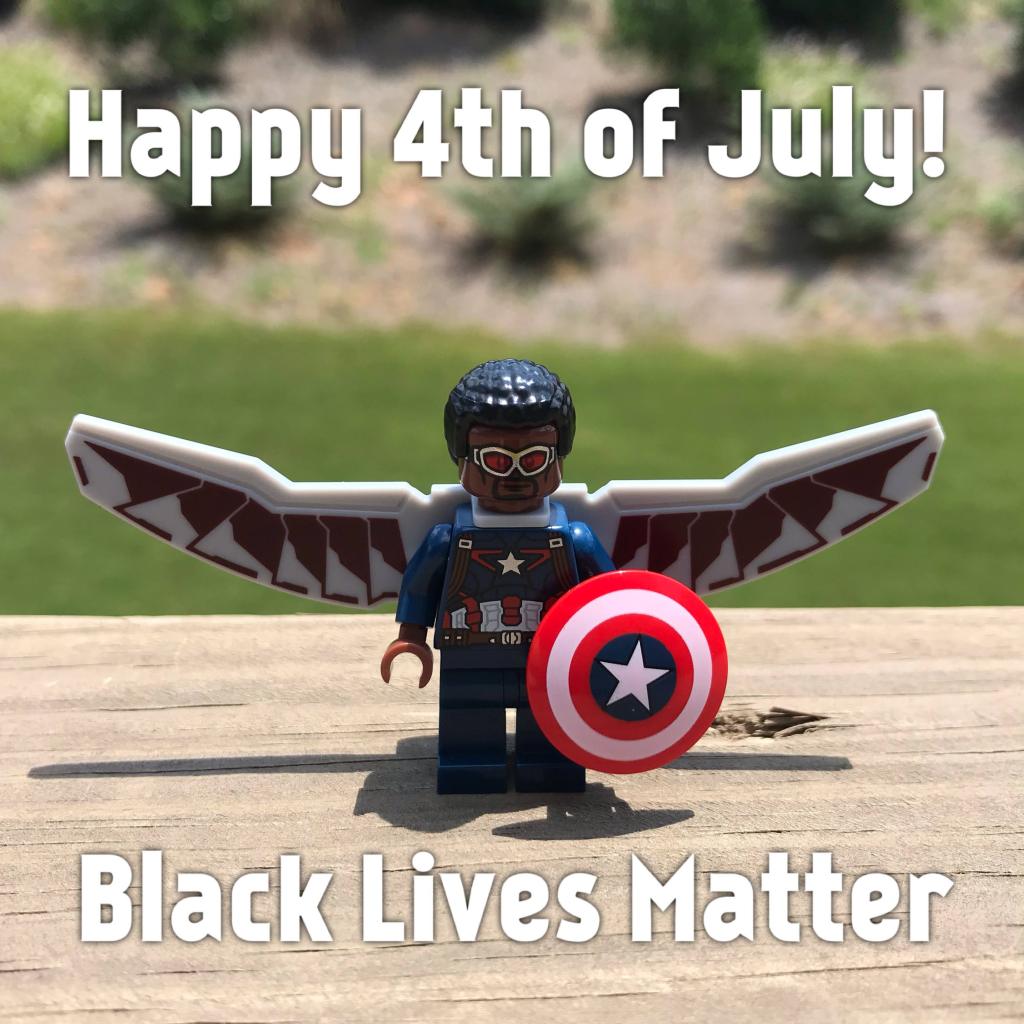
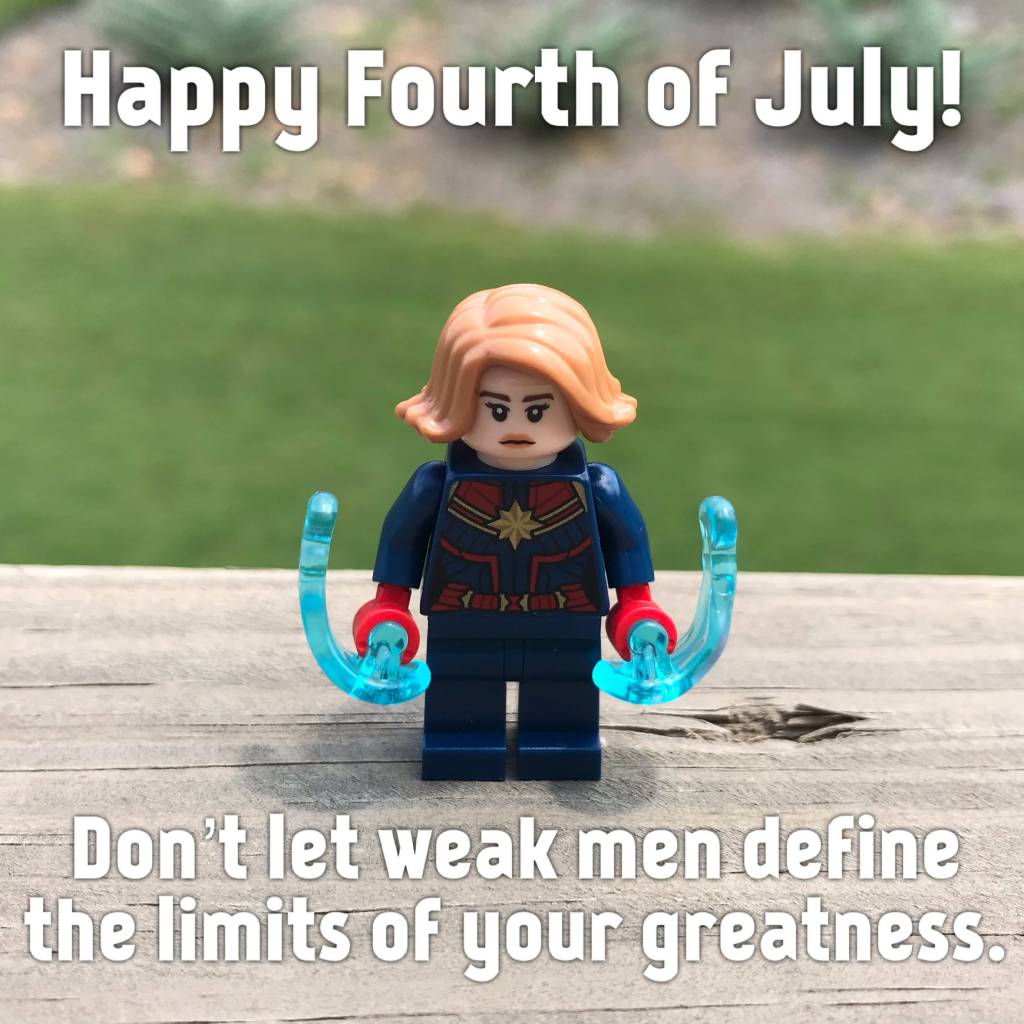
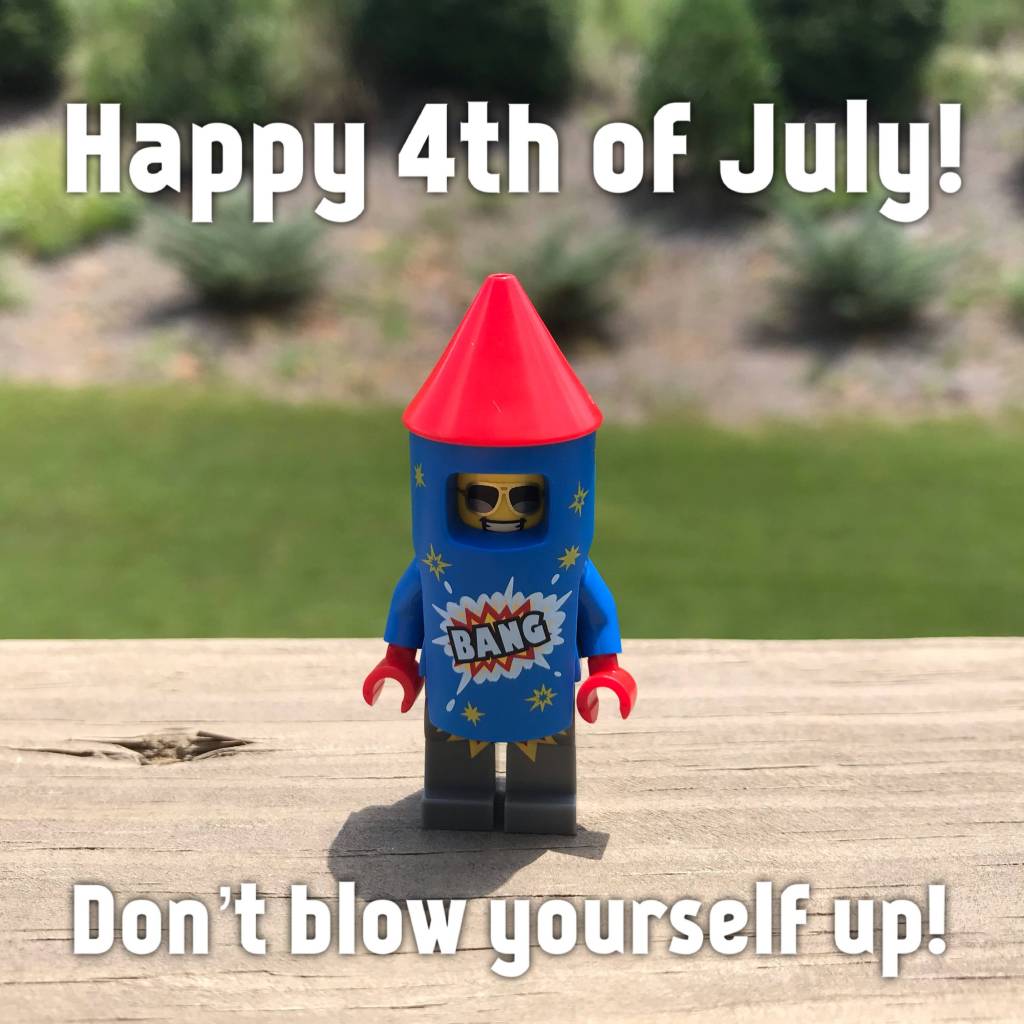
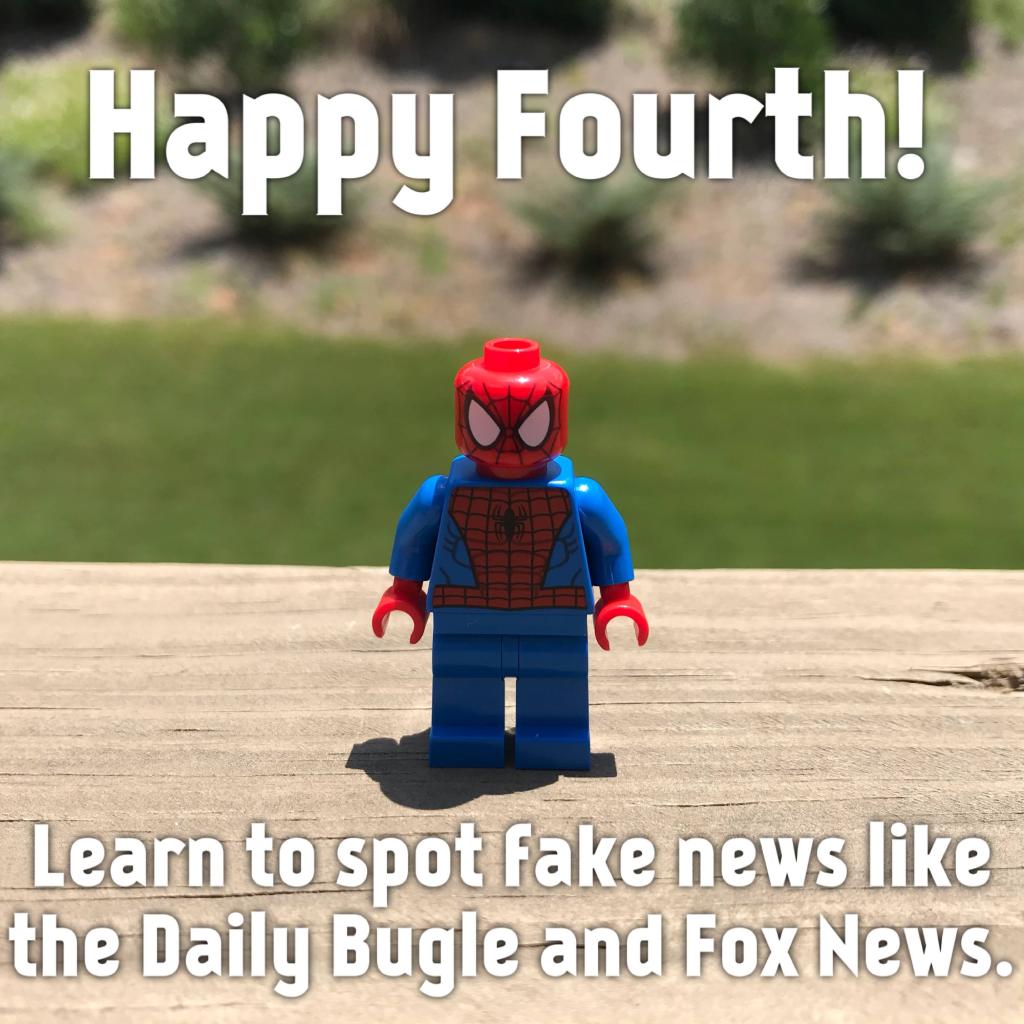
    Back in 2020, I made these Independence Day messages featuring some of the LEGO minifigures that I’ve collected. I posted them on Facebook and Instagram, but those accounts have since been deleted so now they can live on here.

  • A Big, Bad, Very Ugly Bill

    The legislation is, first and foremost, a tax cut.

    To pay for these tax cuts for rich people, the bill destabilizes the American medical system, guts anti-hunger programs, hikes utility costs, and makes education more expensive.

    Annie Lowrey

    A Big, Bad, Very Ugly Bill (The Atlantic)

  • How Monopolies Secretly Steal Your Freedom

    Are you really free if your groceries or medicine are so expensive that you can’t afford them? Or if your boss can change your work schedule on a whim or block you from getting a new job? Are you really free if you have to ration your medicines because they’re too expensive, or if they’re not available at all?

    Robert Reich

    How Monopolies Secretly Steal Your Freedom (ft. Lina Khan) (Robert Reich – YouTube)

  • My Career: Microsoft Edge

    The internet famously caught Microsoft unprepared. Netscape was the first widely used browser, but when Bill Gates redirected the company to focus on the internet, the ability to set the default browser for Windows allowed Internet Explorer to gain dominance. That lasted into the early 2000’s when first Firefox and then Chrome took advantage of Microsoft’s lack of investment in IE to take over the market. As its market share cratered, Microsoft started actually investing in IE again, but by that point its brand was tarnished with a reputation for missing features and poor performance.

    The later part of my work on Windows Phone had been leading a team of engineers that worked on the interface for Internet Explorer for Windows Phone 8.1, but that was fairly separated from the team working on Internet Explorer for desktop Windows. When the Windows and Windows Phone organizations merged together to work on Windows 10, the browser teams merged too. My team and I became one of the teams in the browser app group so that we could use our experience to continue delivering a mobile-friendly browser experience for the converged Windows 10.

    A combination of factors meant that the team could make a big bet. Internet Explorer’s brand image was considered to be badly tarnished, and everyone wanted Windows 10 to be a clear signal of a reset from Windows 8. Then we also were aiming to deliver an OS with apps that could be unified across computer and mobile form factors. With those combined, the decision was made to build a new browser with a new brand. Eventually, the branding folks would name it Microsoft Edge, but internally we were calling it Spartan.

    Spartan involved an entirely new application built as a universal Windows application using C++/CX and XAML. Then the rendering engine was forked from mshtml in order to allow for breaking Internet Explorer compatibility to pursue web standards and Chrome compatibility.

    In that effort, my team was in charge of the mobile interface, downloads experience, and gesture navigation. As the member of the broader Spartan team with the most background in XAML, I also got to play a large role in deciding on the overall app’s architecture to allow for sharing interface components across different presentation modes.

    It was a huge project to get Edge ready for release with Windows 10, so there were definitely some rough edges in that first version, but overall, I was pretty proud of what we delivered.

    At the time, Microsoft had an ambitious vision for the future with Windows as a seamless experience across desktops, laptops, phones, gaming consoles, virtual reality headsets, and mixed reality headsets. Execution towards that goal was uneven though. Within the Windows team, there was a culture that only “Big Windows” (desktop OS) mattered, so it wasn’t uncommon that phone builds would get broken by teams that just didn’t bother thinking about Windows Phone. Other initiatives, like the Creators Update and Paint 3D ended up being trimmed to the point of being disappointments. There were some great ideas in the mix though. One of my favorites was Continuum where a Windows Phone could be connected to a monitor, keyboard, and mouse and then present a desktop-like experience.

    Under Satya Nadella’s leadership, Microsoft’s ambitious vision for Windows started to wither. With Windows Phone considered a low priority and then cancelled, the entire idea of a unified OS across different types of consumer devices no longer made sense. It felt like Windows was done trying to build something interesting and instead was resigned to a gradual path towards irrelevance, at least on the consumer side of things. With that feeling of a lack of purpose for the team, I started looking for a way out of the Windows organization.

  • What Happens When the AI Bubble Bursts

    The AI bubble is likely to pop, because the amount of investment in the technology in no way correlates with its severe lack of profit. Sooner rather than later, this will become clear to investors, who will start to withdraw their investments. In this piece, I’m interested in thinking about what the world will look like when the AI bubble pops. Will AI go away completely? What happens to the world economy? What will our information ecosystems look? All of these are quite impossible to predict, but let’s try anyway.

    What happens when the AI bubble bursts? (Ada Ada Ada – Patreon)

  • The Bitter Southerner

    The other day, I was watching a video from Carolina Forward and liked the shirt that Blair Reeves was wearing. Looking for it led me to the Bitter Southerner General Store. I didn’t end up ordering that shirt, but only because I ended up finding others there that I liked even more. As I mentioned last week, I like biscuits, so this Make More Biscuits one won me over. Then I also got the Product of Public Schools and Wild Places Matter tees for myself and a Libraries are Essential one for Stef.

    Beyond the store, the Bitter Southerner’s main purpose is telling stories about the South and pushing for a Better South. Towards that end, it publishes a magazine, newsletter, podcast, and books. So in addition to a few new shirts, I’m also now subscribed to their newsletter.

  • The Tyrant Test

    It would be absurd to say that American presidents have always been principled defenders of freedom and democracy, but their long-shared, bipartisan definition of tyrant is one who oppresses his own. So it’s striking that these warnings about tyrants in distant lands, who were supposedly the opposite of the kind of legitimate, democratic leaders elected in the United States of America, now apply to the sitting U.S. president, Donald Trump. It is a simple but morally powerful formulation: A leader who uses military force to suppress their political opposition forfeits the right to govern. You could call this the “tyrant test,” and Trump is already failing it.

    Adam Serwer

    The Tyrant Test (The Atlantic)

  • Standing Up Against Trump is Good for Business

    Standing up against Trump is not only important politically and morally. It’s also profitable.

    Robert Reich

    Why Standing Up Against Trump is Good for Business (Robert Reich)

  • Billionaires Are Not Like Us

    Now, here we are, an era in which the men of cyber industry — having monopolized goods distribution, security algorithms, internet satellites, social networks, and our attention — have seen fit to attempt a sort of siege on the American government. Is this techno-­fascism? Sure! Should it concern us that power and tech — and the power of tech — are so concentrated in so few hands and that Trump appears to be a Trojan horse for Silicon Valley’s most neo-reactionary ambitions? Absolutely! Do we want America remade in the image of a tech startup by men who like to move fast and break things (especially when most of the systems they’re breaking are ones that they, in fact, would never rely on)? Not I! But also: What is going on with this idea that humans should even want to live in space? What sort of lack of reality testing are we dealing with here?

    Alex Morris

    What You’ve Suspected Is True: Billionaires Are Not Like Us (Rolling Stone)

  • Climate Crisis and Carolina Coastlines

    North Carolina’s coastlines are an inescapable reminder of the climate crisis as they face accelerating sea level rise, intensifying storms, and increasing coastal erosion. These environmental changes threaten not only invaluable ecosystems, but also the cultural heritage and economic stability of communities along the shores of North and South Carolina.

    Zanetta Sirleaf

    Climate Crisis and Carolina Coastlines: A Looming Threat to Communities and Ecosystems (Carolina Forward)