One of my favorite holiday season events since moving to North Carolina is the Chinese Lantern Festival. We attended the first time for a Microsoft holiday event, but have returned several of the years since then, including last weekend.


One of my favorite holiday season events since moving to North Carolina is the Chinese Lantern Festival. We attended the first time for a Microsoft holiday event, but have returned several of the years since then, including last weekend.


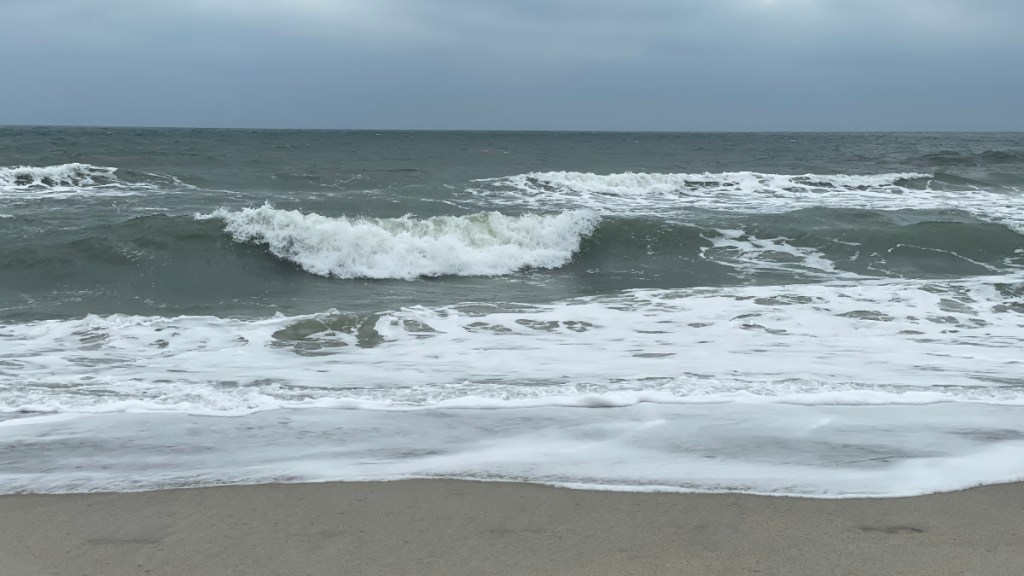
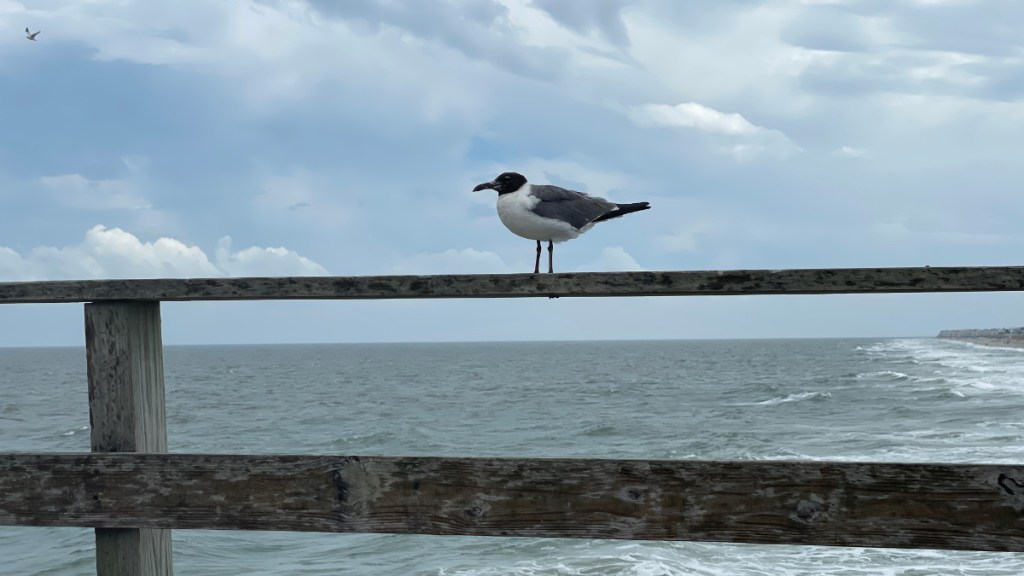
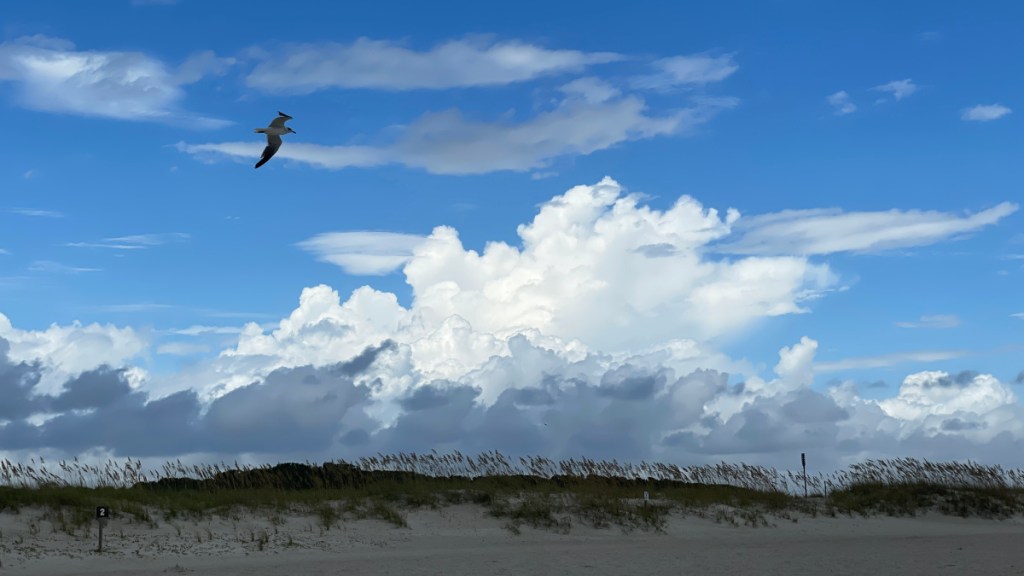
Last week, we took a trip out to the Atlantic coast to visit Carolina Beach, Kure Beach, and the North Carolina Aquarium at Fort Fisher.


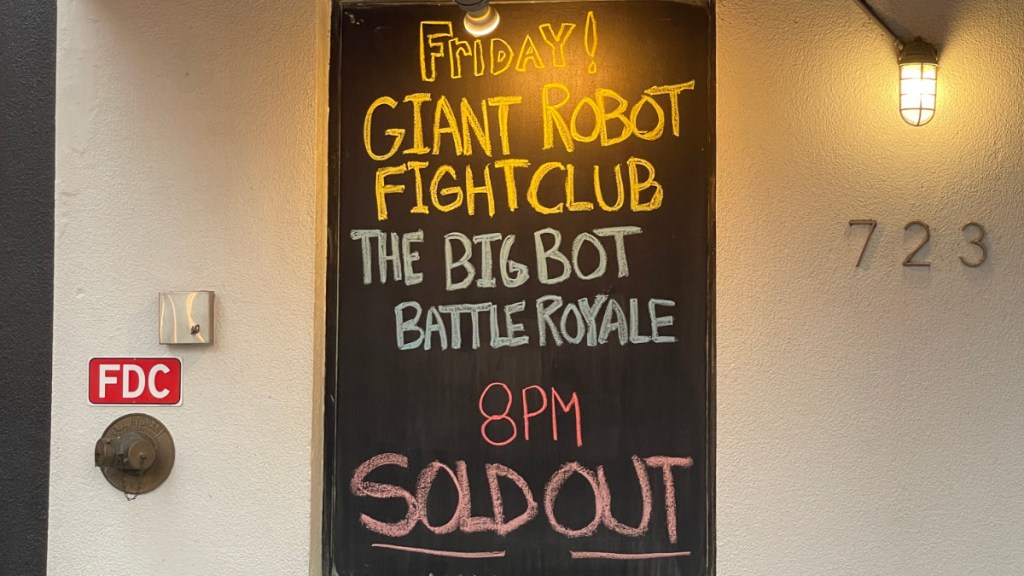
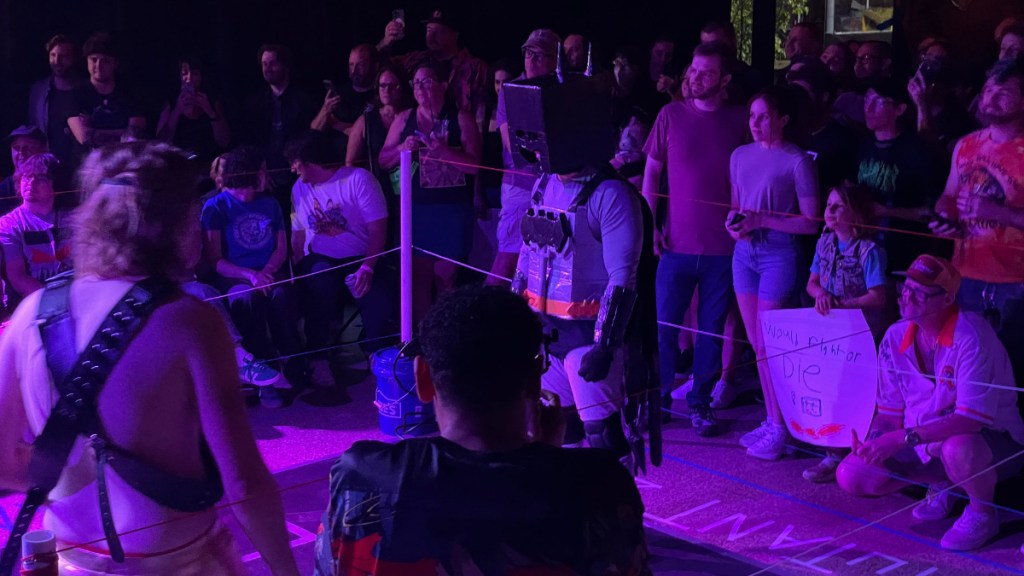
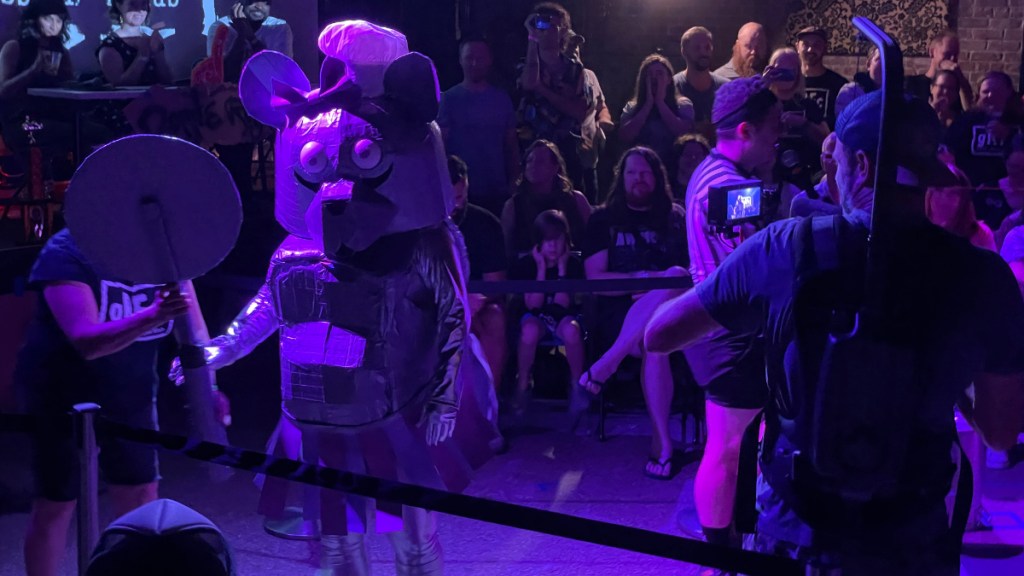
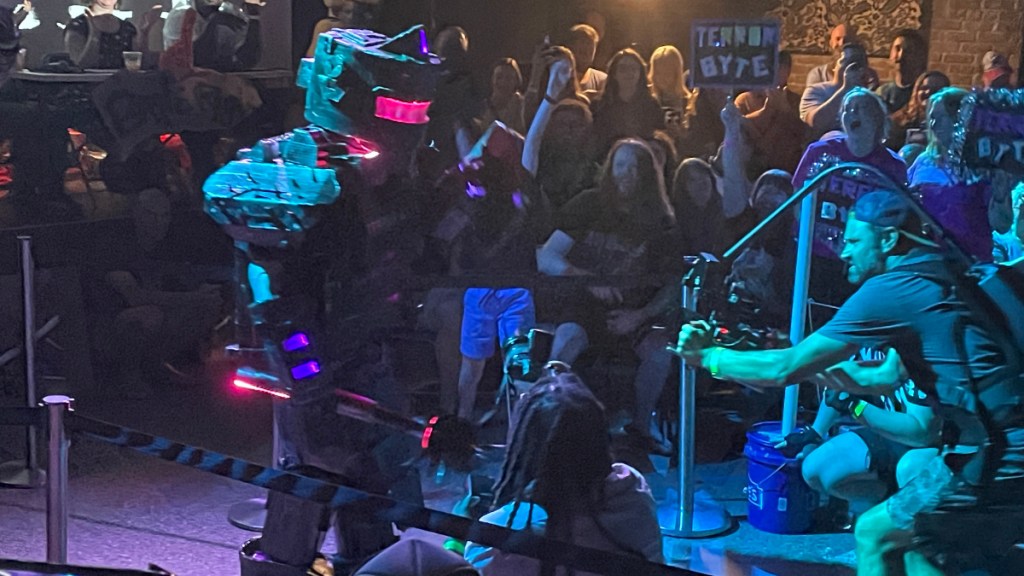
Last week, a friend invited me to attend Giant Robot Fight Club at Motorco in Durham. It is a show where people dressed in cardboard robot suits battle one another in pro wrestling-style bouts. It was a ton of fun! If you’re in the area and have a chance to go, you should.


The OBBB contains provisions that will harm millions of North Carolinians and numerous sectors of our economy. While the effects of this bill were enough to lead Senator Tillis to flip (and now retire), every House Republican voted for this bill. Often, we view what goes on in Washington as detached from our lives here at home, but the effects of this bill will be felt at kitchen tables, in hospitals, and bank accounts all across the state. It’s on us to make sure that the lawmakers who voted for it, including every House Republican from North Carolina, feel what we feel, too.
Miles Kirkpatrick
One Big Beautiful Bill, One Big Blow to North Carolina (Carolina Forward)
North Carolina’s coastlines are an inescapable reminder of the climate crisis as they face accelerating sea level rise, intensifying storms, and increasing coastal erosion. These environmental changes threaten not only invaluable ecosystems, but also the cultural heritage and economic stability of communities along the shores of North and South Carolina.
Zanetta Sirleaf
Climate Crisis and Carolina Coastlines: A Looming Threat to Communities and Ecosystems (Carolina Forward)
One of the central arguments made by opponents of public education is that North Carolina taxpayers spend too much on their children and schools. Even as the state continues to rank near-bottom in the nation for school spending, some on the political right charge that the number is still too high. Specifically, opponents blame “administrative bloat” in North Carolina’s public school system for soaking up resources that should go to classrooms instead.
In but one example, failed Republican candidate Michelle Morrow claimed that there had been a 265% increase in funding for “administrative and bureaucratic stuff” (what time frame she was referring to was left unclear). Failed Republican gubernatorial candidate Mark Robinson repeatedly decried a “bloated bureaucracy” in the school system, which he said needed to “cut the fat.”
But like much of what Robinson and Morrow had to say, these claims do not survive the first contact with evidence.
Miles Kirkpatrick
The Myth of Bloated School Administration (Carolina Forward)
Carolina Forward takes a look at potential changes to North Carolina’s Constitution that could help reduce some of the dysfunction seen in the state’s government:
Does North Carolina’s constitution need a re-write? (Carolina Forward)
After spending over six months vigorously contesting his narrow loss in the 2024 North Carolina Supreme Court election, Jefferson Griffin conceded the race on Wednesday following a federal judge’s ruling against him.
Griffin, a Republican judge on the state Court of Appeals, lost the election to Democratic incumbent Allison Riggs by 734 votes. But he and the state Republican Party refused to accept the results, instead embarking on an unprecedented campaign to challenge over 65,000 votes in a legal battle that has roiled the state and drawn national rebuke.
Earlier this week, Chief U.S. District Judge Richard E. Myers, an appointee of President Donald Trump, decisively ruled against Griffin’s efforts, saying that he sought to “change the rules of the game after it had been played.”
Kyle Ingram
Griffin concedes NC Supreme Court race, ending unprecedented effort to overturn election (The News & Observer)
House Bill 2 is unquestionably one of the most infamous pieces of legislation in North Carolina state history. Passed by a Republican supermajority in less than 12 hours, HB 2 mandated that transgender individuals use the bathroom that matches the biological sex listed on their birth certificate, regardless of their gender identity.
The law was widely criticized as discriminatory, unnecessary and cruel; its passage cost North Carolina billions of dollars and thousands of lost jobs; led to travel bans against North Carolina and an NCAA boycott; and made the state into a laughingstock of the nation. The fallout from the bill led to a partial (and for some, begrudging) repeal by moderate Republican lawmakers working with Democrats.
It’s easy to forget, but even then-candidate Donald Trump criticized the bill: “You leave it the way it is… There have been very few complaints the way it is. People go, they use the bathroom that they feel is appropriate. There has been so little trouble.”
Yet as the MAGA movement has embraced more and more extremely conservative politics, many Republican politicians today feel none of the regret their predecessors did nine years ago. Enter SB 516, a bathroom bill even more aggressive, cruel, and poorly planned than HB 2.
Miles Kirkpatrick
The Bathroom Bill is Back (Carolina Forward)

My family spent a day at the North Carolina Zoo earlier this week. Here are some of my favorite photos from the day.